

Portable Flow Meter Calibration Device
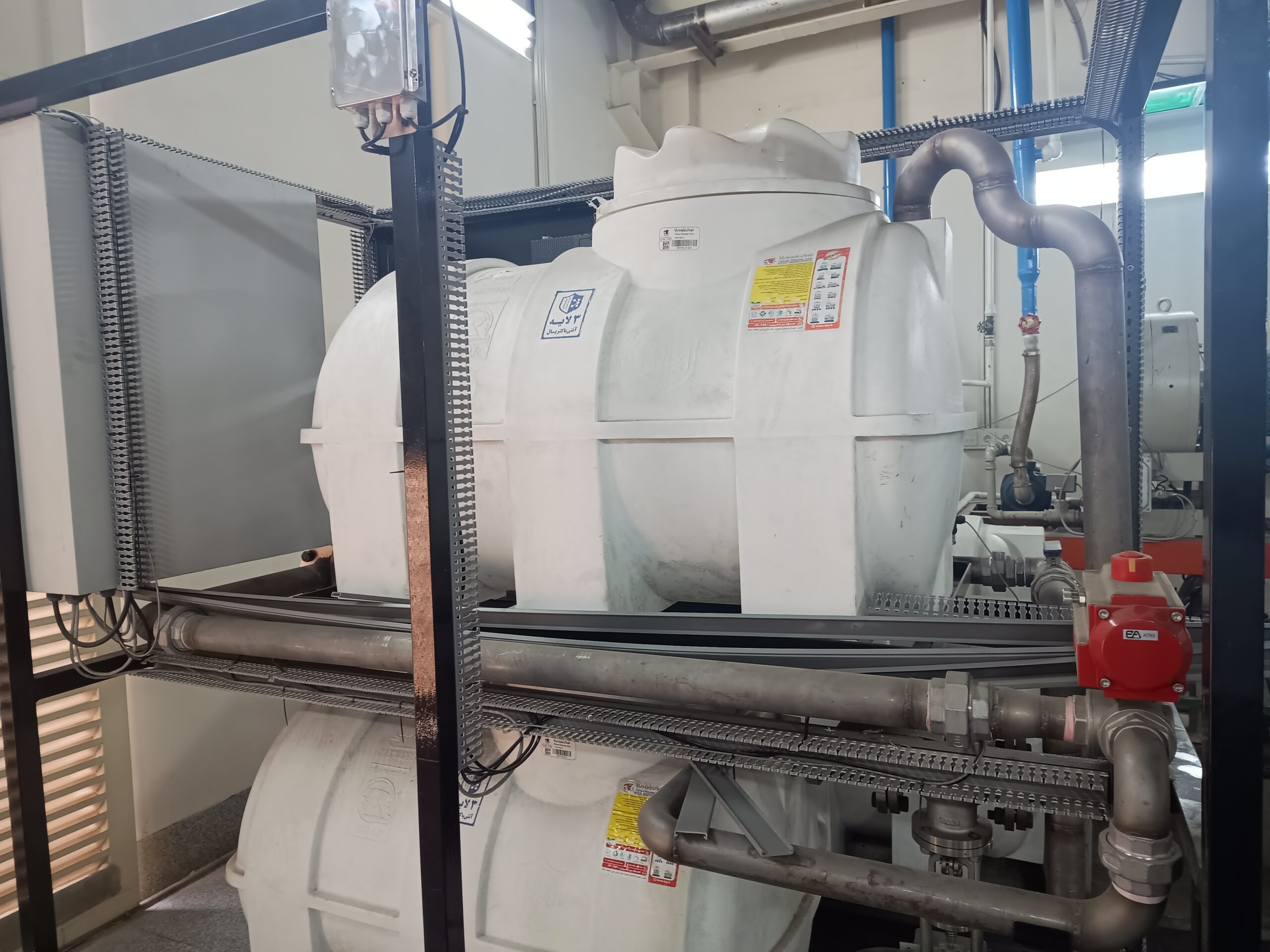
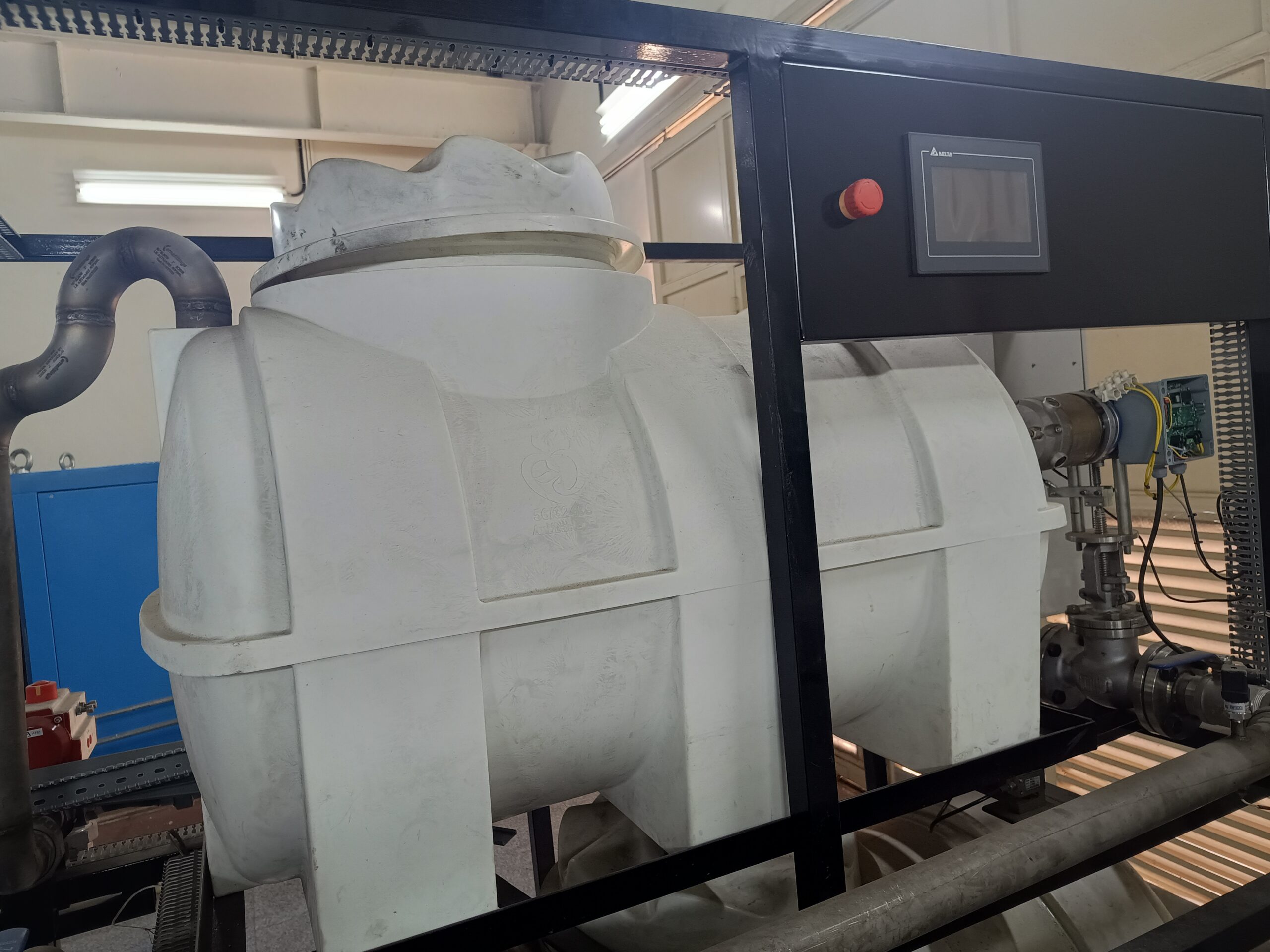
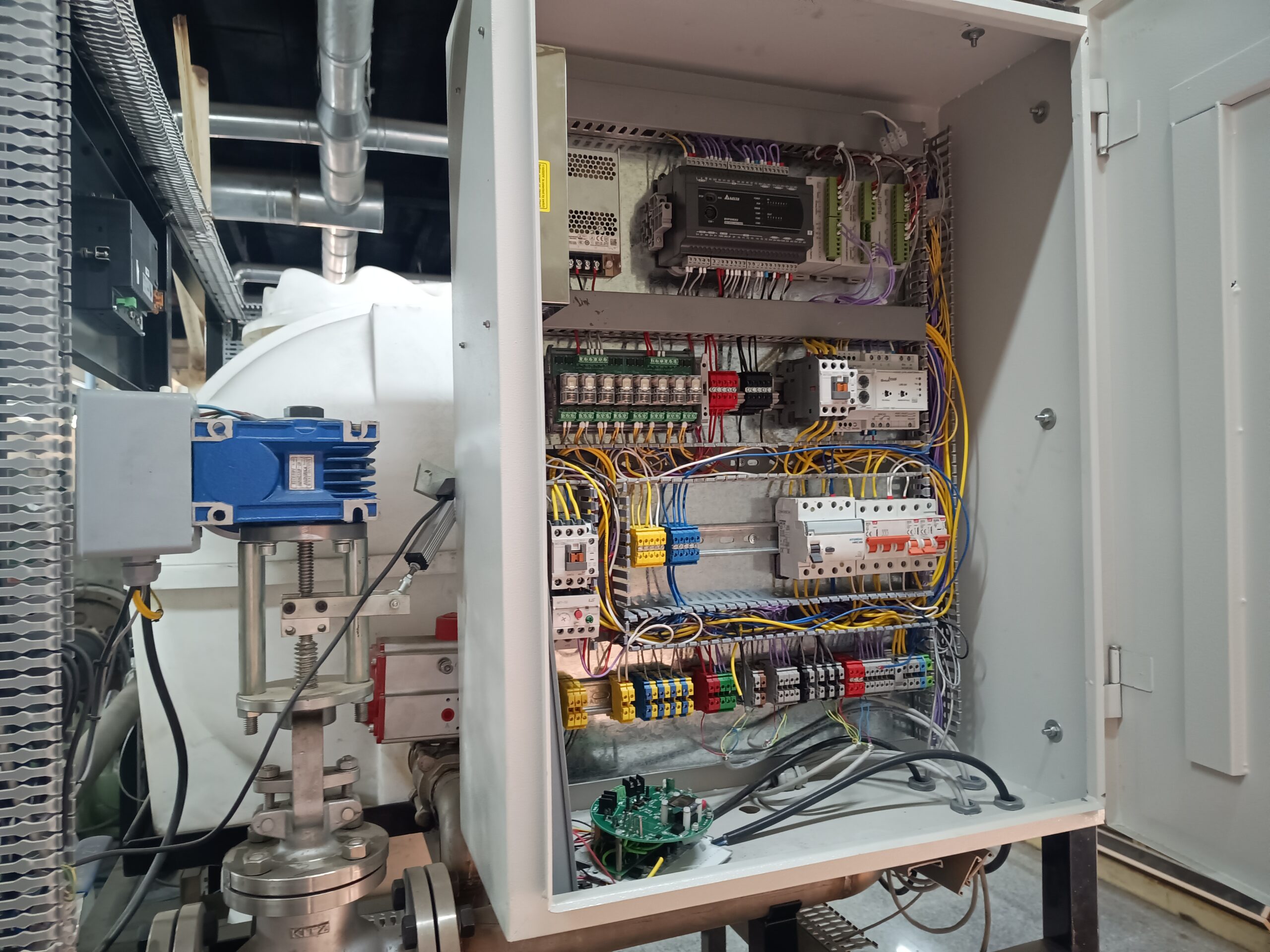
A sample flow meter calibration circuit schematic
Table of contents
Portable Flow Meter Calibration Device
What is Calibration?
Calibration is a scientific and systematic process in which the performance of measuring instruments is compared against reference standards. The main purpose of calibration is to ensure the accuracy and reliability of data while minimizing measurement errors.
The Importance of Flow Meter Calibration in Industry
In most industries including oil, gas, petrochemical, pharmaceutical, food, water and wastewater, and power plants, accurate measurement of fluid flow plays a vital role in process control, financial calculations, energy consumption optimization, and compliance with environmental standards. Flow meters that are not periodically calibrated gradually lose their accuracy and can lead to costly errors, reduced product quality, and even safety issues.
Why On-Site Calibration with Portable Devices?
On-site calibration with portable devices offers several advantages:
Eliminating the high costs of separating and transporting flow meters to central laboratories.
Minimizing production line downtime as much as possible.
Calibration is possible under actual flow meter operating conditions.
Preventing potential damage when handling sensitive equipment.
More flexibility in scheduling calibration time.
Portable Flow Meter Calibration Devices
Our portable devices, with easy transportability and high accuracy, enable on-site calibration without the need to move the flow meter. These devices are designed in various types:
Volumetric Calibration Devices
These devices calculate flow rate by accurately measuring the volume of fluid passed in a specific time interval. Portable examples include small volumetric calibrators with graduated transparent tanks for low flow rates and transportable tank systems for medium flow rates.
Gravimetric Calibration Devices
In this method, the mass of fluid passed per unit time is measured. Portable gravimetric devices typically use precise portable scales along with collection and weighing systems and are suitable for liquids with very high accuracy.
Primary Standard Calibration Devices
These systems include portable Pitot tubes, reference turbine meters, and clamp-on ultrasonic flow meters that are installed non-invasively on the pipeline. Portable ultrasonic devices are particularly popular today as they can calibrate without needing to stop the flow.
Prover-Based Calibration Devices
Portable piston provers and small volumetric provers provide an accurate calibration standard by creating a specific volume of fluid separated by a piston. These devices are very suitable for the oil, gas, and petrochemical industries.
Multipurpose Portable Systems
These devices combine several technologies and have the capability to calibrate various types of flow meters such as turbine, ultrasonic, electromagnetic, and differential pressure. They are equipped with advanced DAQ (Data Acquisition) systems and data analysis software.
Advantages of Our Portable Devices
• High Accuracy: Compliant with international standards (ISO, ASTM, OIML).
• Portability: Ergonomic design for use in industrial environments.
• Easy to Use: Equipped with touchscreens and Persian software.
• Versatile Applications: Covers a wide range of flow rates and fluids.
• Technical Support: Provides installation, training, and periodic calibration services.
Applications of Flowmeter Calibration Loop
Oil and Gas Industry
Measuring flow of crude oil, natural gas, and refinery products.
Monitoring pipeline flow and preventing leaks.
Water and Wastewater Treatment
Controlling water flow at various treatment stages.
Managing water consumption in industrial facilities.
Food and Pharmaceutical Industries
Accurate metering of liquid raw materials.
Ensuring product quality and consistency.
Aerospace
Measuring and controlling fuel flow in engines and propulsion systems.
Key Considerations When Selecting a Flowmeter
Fluid type: Is the fluid liquid, gas, or two-phase?
Temperature and pressure range: The flowmeter must operate under actual service conditions.
Required accuracy: How critical is measurement precision?
Maintenance requirements: Does the flowmeter need frequent servicing?
Calibration Flowmeter Laboratory References
Table of contents
Flow meter calibration lab
What is calibration and what is its purpose?
✅ Calibration is a scientific process of comparing the performance of measuring instruments with reference standards to ensure accuracy, data reliability, and minimization of measurement errors.
What exactly does a portable calibration device do?
✅This device compares the flowmeter installed in your production line with a reference standard and measures and adjusts its error.
What is the main advantage of on-site calibration compared to sending to a laboratory?
✅Reducing production downtime and transportation costs, enabling calibration in real working conditions, and preventing errors caused by moving the device.
What types of flow meters are these devices used to calibrate?
✅For common types including turbine, ultrasonic, electromagnetic, pressure differential (e.g. orifice), vortex and rotametric.
How accurate are these portable devices?
✅Accuracy is read from ±0.1% to ±0.5% depending on the model and technology, which is quite sufficient for most industrial needs.
Is a specific specialist required for installation and use?
✅No. The devices are user-friendly and our experts provide the necessary practical training to your personnel upon delivery.
What is the range of flow rate that can be calibrated?
✅This range depends on the device model, but usually covers from a few liters per minute to several thousand cubic meters per hour.
Does the device have calibration capability for both liquid and gas fluids?
✅Yes. But choosing the right model depends on the type of fluid, flow rate, and working conditions, which should be selected with technical advice.
How are calibration certificates and reports provided?
✅The device is equipped with reporting software, and the final report is issued in accordance with the standard, along with a valid calibration certificate.
What is the recommended recalibration interval?
✅Typically once a year, but this interval depends directly on operating conditions, fluid type, and the importance of accuracy in your process.