

Flow meter calibration lab
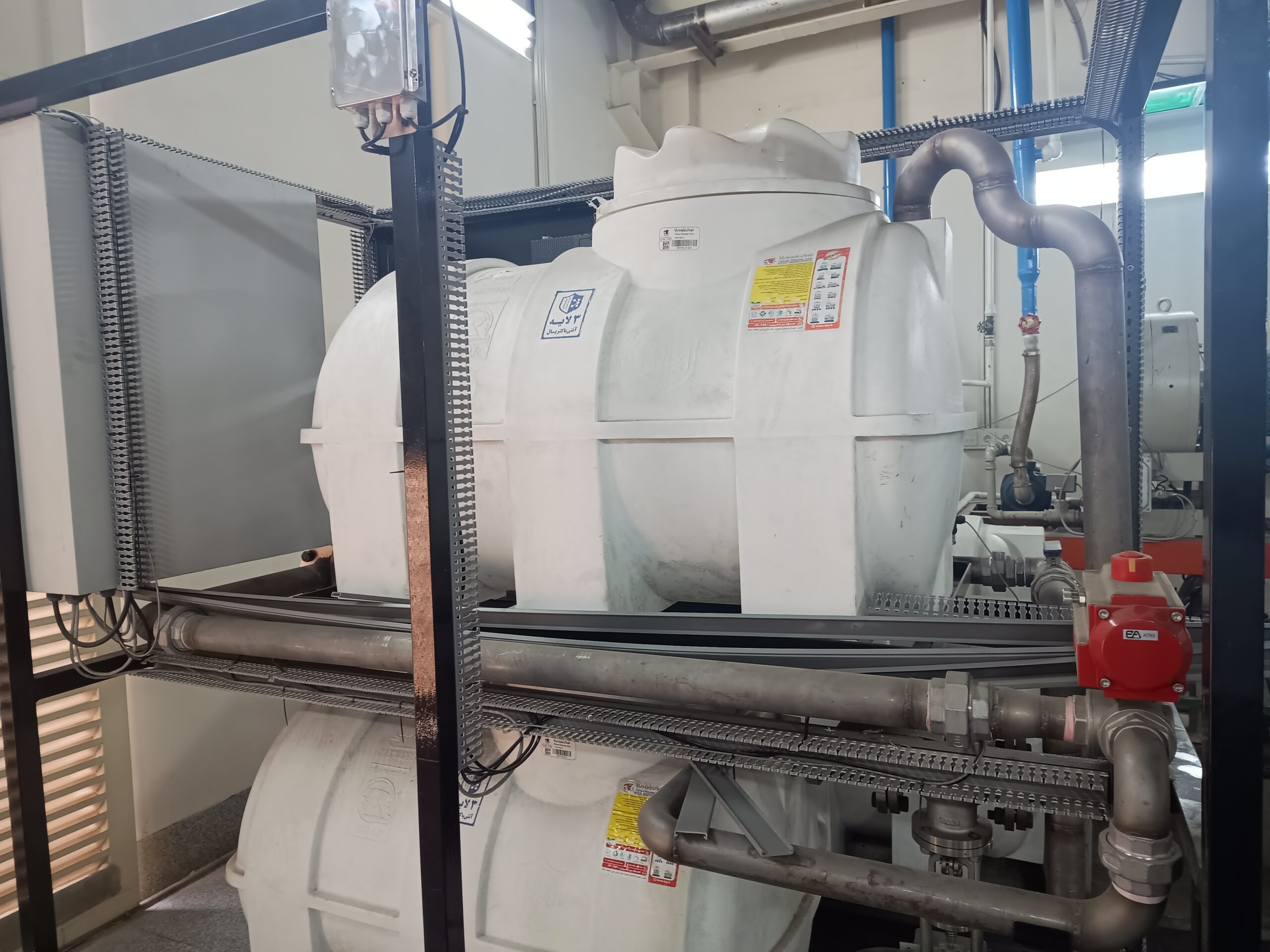
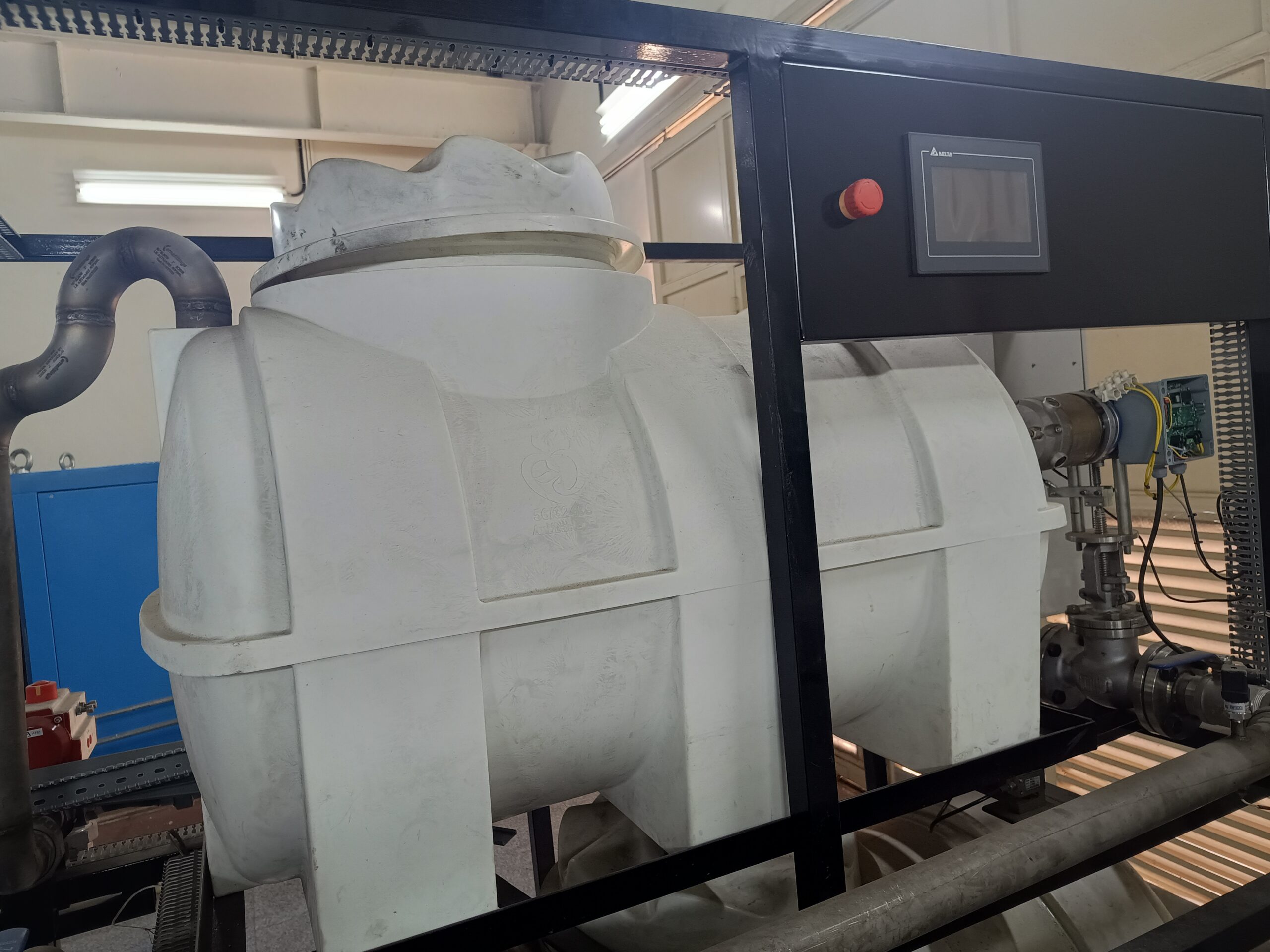
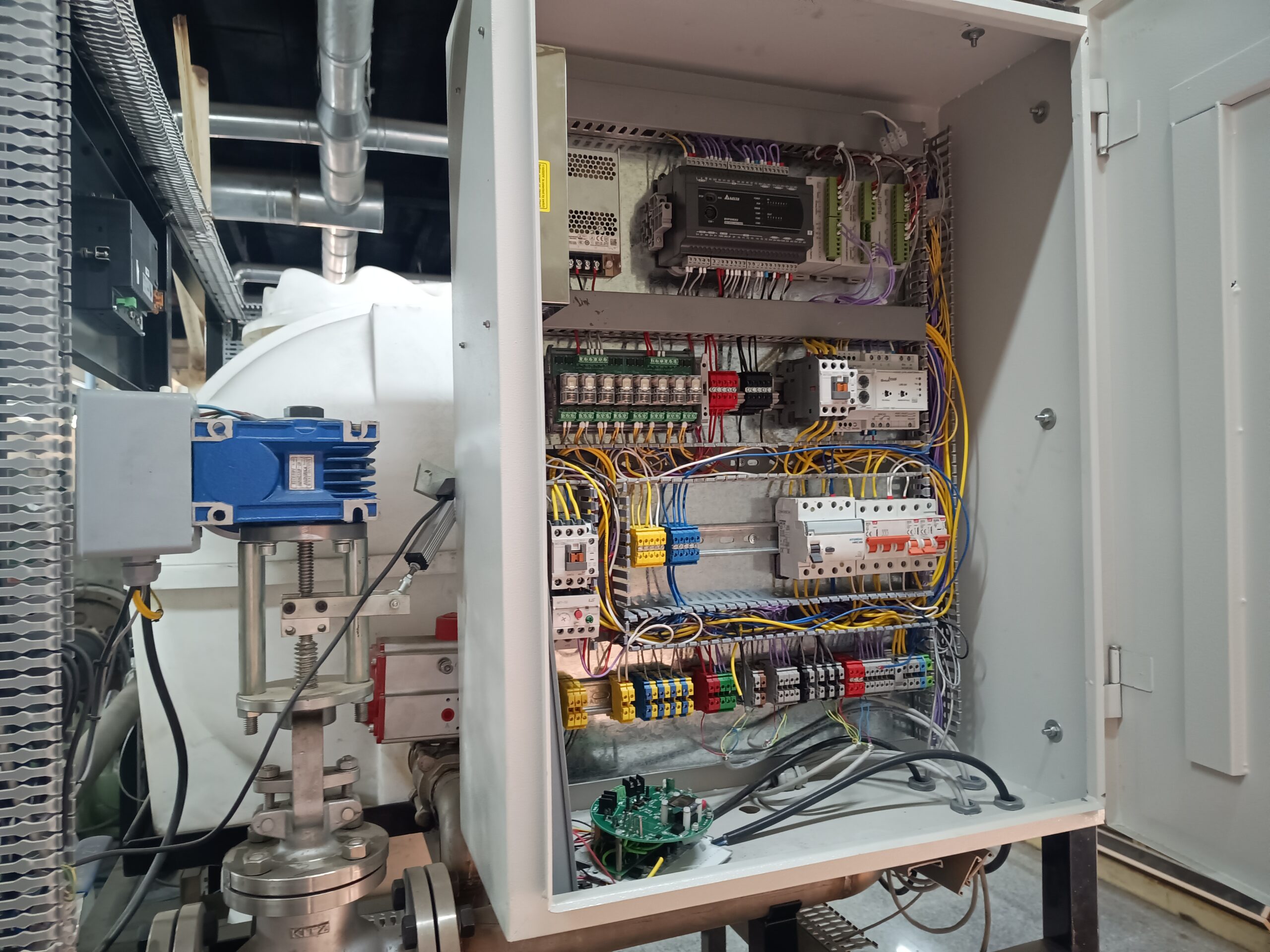
Overall Schematic of Flowmeter Calibration Loop
Table of contents
Flow meter calibration lab
What is Calibration?
Calibration is a scientific and systematic process in which the performance of measuring instruments is compared against reference standards. The main purpose of calibration is to ensure the accuracy and reliability of data while minimizing measurement errors.
Why is the Flowmeter Calibration Loop Important?
- Increases accuracy and reliability of measuring instruments
- Reduces risks arising from measurement errors in critical industries
- Maintains product and process quality in industrial applications
- Helps reduce costs by preventing unexpected equipment downtime
What is a Flowmeter?
A flowmeter is an instrument used to measure the flow rate of fluids (liquids or gases) in pipelines or fluid transfer systems. Depending on the application, flowmeters measure flow using various principles.
Types of Flowmeters and Their Applications
Mechanical Flowmeters
Use moving parts to measure flow.
Suitable for low-viscosity liquids such as water and oil.
Examples:
- Turbine flow meter.
- Positive displacement flow meter
Electromagnetic Flowmeters (Magnetic Flowmeter)
Used to measure the flow of conductive liquids such as water and acids.
Operate based on Faraday’s law.
Advantages:
- No moving parts, reduced likelihood of failure.
- High precision.
Ultrasonic Flowmeters
Use sound waves to measure flow.
Types:
- Type of transit time.
- Type of Doppler.
Suitable for both liquids and gases.
Mass Flowmeters
Directly measure the mass flow rate of the fluid.
Example:
- Coriolis flowmeter – suitable for gases and liquids
Differential Pressure Flowmeters
Operate based on pressure drop across a restriction in the flow path.
Examples:
- Orifiice plate.
- Venturi.
Flowmeter Calibration Loop Process
Preparation of the Flowmeter Calibration Loop
- Cleaning the flowmeter and checking its physical condition.
- Ensuring connections are sound and leak-free.
Selection of Reference Standard
Choosing a high-accuracy master flowmeter that is regularly calibrated.
Measurement and Comparison
Passing fluid at known flow rates through both the meter under test and the reference meter.
Recording data and comparing outputs.
Adjustment and Correction
Correcting the flowmeter settings if deviations from the standard are detected.
Final Testing and Certificate Issuance
After confirming measurement accuracy, issuing the calibration certificate.
Applications of Flowmeter Calibration Loop
Oil and Gas Industry
Measuring flow of crude oil, natural gas, and refinery products.
Monitoring pipeline flow and preventing leaks.
Water and Wastewater Treatment
Controlling water flow at various treatment stages.
Managing water consumption in industrial facilities.
Food and Pharmaceutical Industries
Accurate metering of liquid raw materials.
Ensuring product quality and consistency.
Aerospace
Measuring and controlling fuel flow in engines and propulsion systems.
Key Considerations When Selecting a Flowmeter
Fluid type: Is the fluid liquid, gas, or two-phase?
Temperature and pressure range: The flowmeter must operate under actual service conditions.
Required accuracy: How critical is measurement precision?
Maintenance requirements: Does the flowmeter need frequent servicing?
References for flow meter calibration lab
Table of contents
Flow meter calibration lab
What is calibration and what is its purpose?
✅ Calibration is a scientific process of comparing the performance of measuring instruments with reference standards to ensure accuracy, data reliability, and minimization of measurement errors.
Why is calibration particularly important for flowmeters?
✅ Any error in flow measurement can damage sensitive industrial processes, reduce product quality, cause equipment shutdowns, and increase costs.
What is a Flowmeter?
✅ A flowmeter is a device that measures the volumetric or mass flow rate of liquids and gases in piping systems.
What are the types of mechanical flowmeters and their applications?
✅ Includes turbine and positive displacement types; mainly used for low-viscosity liquids such as water and oil.
How does an electromagnetic flowmeter work?
✅ Operates based on Faraday’s law by inducing voltage in a conductive fluid; suitable for conductive liquids such as water and acids.
Under what conditions are ultrasonic flowmeters used?
✅ Uses acoustic waves to measure flow of liquids and gases; available in transit-time and Doppler versions.
What is the key feature of a mass flowmeter?
✅ Directly measures mass flow rate; e.g., Coriolis meters, suitable for both gases and liquids.
How do differential pressure flowmeters measure flow?
✅ Calculate flow rate from the pressure drop created across a restriction (orifice plate, Venturi, etc.).
What are the main steps in the flowmeter calibration process?
✅ Device preparation, selection of reference standard, measurement and comparison, adjustment and correction, final testing, and issuance of calibration certificate.
In which industries are flowmeters primarily used?
✅ Oil and gas, water and wastewater treatment, food and pharmaceutical, and aerospace industries for precise fluid flow control.