

Control valve calibration lab
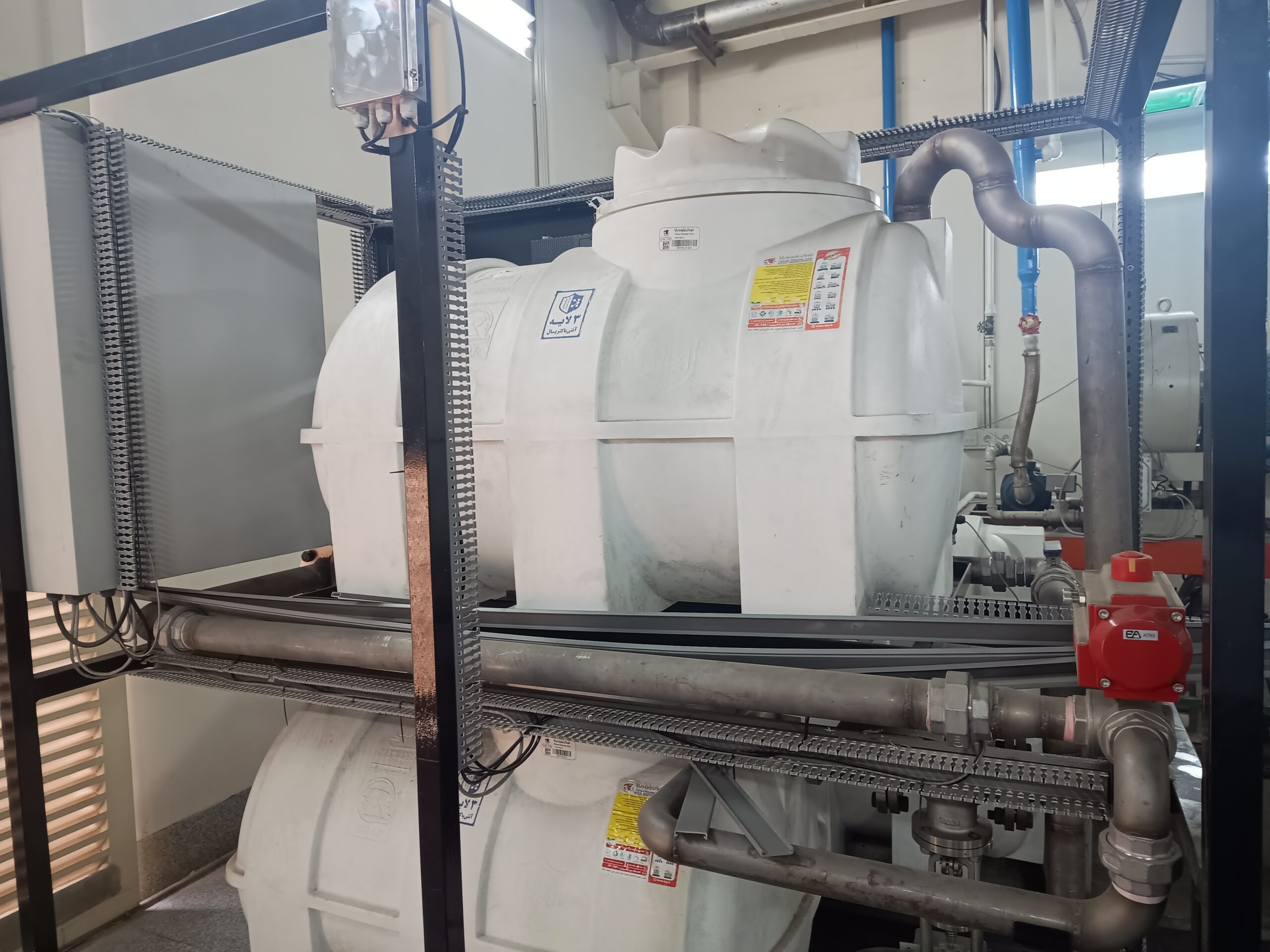
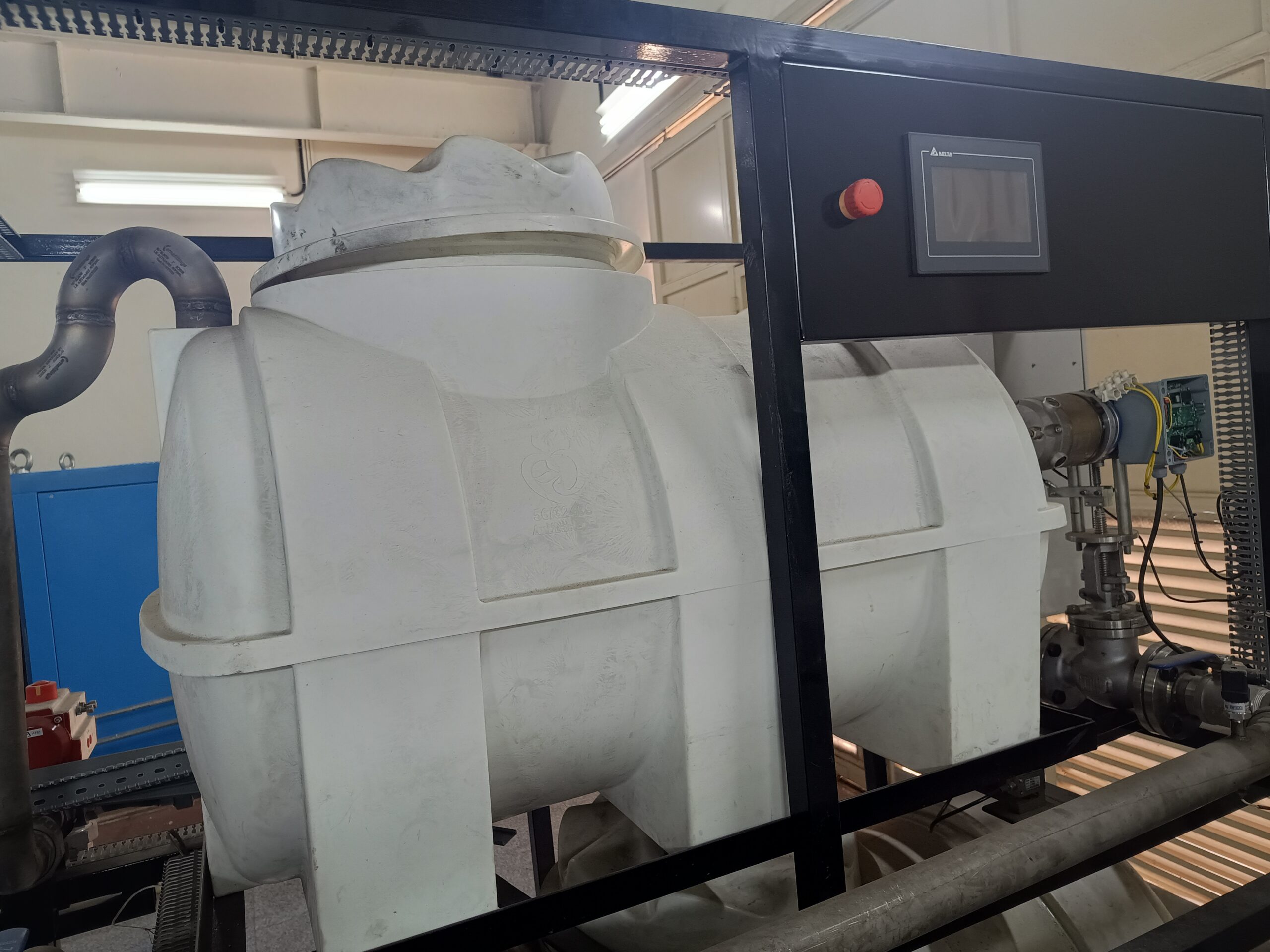
Overall Schematic of Valve Flow Coefficient (Cv) Calculation Loop
Table of contents
Control valve calibration lab
Valve Flow Coefficient (Cv)
The Valve Flow Coefficient or Coefficient of Valve Flow (Cv) is one of the primary parameters in the design and engineering of fluid transfer systems. This coefficient indicates the volume of fluid (typically water) that can pass through a valve under a specified pressure drop. The Cv value helps engineers estimate the flow rate through the valve and ensures that the selected valve is compatible with system requirements.
Technical Definition of Cv
The valve flow coefficient Cv is defined as the number of U.S. gallons per minute (GPM) of water at 60 °F that will pass through a valve with a pressure drop of 1 psi. In other words, Cv represents the hydraulic performance of the valve under standard conditions and has a direct impact on the fluid flow rate.
Methods for Determining Cv
Laboratory testing: For precise measurement, valves are tested under standard conditions and Cv is calculated empirically.
Standard tables: For common valve types such as globe valves, ball valves, and butterfly valves, published tables provide Cv values based on valve size.
Factors Affecting Cv Value
Fluid type: Liquids and gases behave differently in flow, so Cv may vary depending on the fluid.
Valve size and design: Internal geometry, disc type, and flow path dimensions significantly affect Cv.
Pressure and temperature: Changes in fluid pressure and temperature alter flow characteristics and can affect Cv.
Valve opening position: Cv reaches its maximum value when the valve is fully open.
Applications of Valve Flow Coefficient (Cv) Calculation Loop
Design and selection of valves in industrial systems: Engineers use Cv to select appropriate valves in oil, gas, petrochemical, and process industries.
Irrigation and agricultural systems: Ensuring adequate water flow in irrigation system design.
Air conditioning and heating systems (HVAC): For regulating flow of water or refrigerant.
Process control systems: In chemical and processing industries for precise fluid flow control using valves with suitable Cv values.
Key Considerations When Selecting a Valve Based on Cv
Matching valve Cv to system requirements: Ensure the selected valve Cv corresponds to the required flow rate and allowable pressure drop.
Accounting for fluid type and operating conditions: Fluid properties, temperature, and pressure must be considered.
Ensuring safety and stable performance: An improperly sized Cv can cause excessive pressure drop, reduced efficiency, or system damage.
Advantages and Limitations of Valve Flow Coefficient (Cv) Calculation Loop
Advantages
- Ability to predict valve performance under different conditions.
- Helping to choose the right valve.
- Improving the efficiency of fluid transfer systems.
Limitations
Cv is a general indicator and may require additional corrections for non-standard conditions
Sudden changes in pressure or temperature can affect calculation accuracy
References for control valve calibration laboratory
Table of contents
Control valve calibration lab

What is the valve flow coefficient (Cv)?
✅ The valve flow coefficient (Cv) is a parameter that indicates the volume of fluid (typically water at 60 °F) that passes through a valve with a 1 psi pressure drop. It is used to select the appropriate valve for fluid transfer systems.
How is Cv defined?
✅ Cv is the flow rate in U.S. gallons per minute (GPM) of water that passes through a valve with a 1 psi pressure drop; it represents the hydraulic performance of the valve under standard conditions.
What are the methods for determining Cv?
✅ Precise laboratory testing under standard conditions
✅ Reference to standard Cv tables for various valve types (globe, ball, butterfly, etc.)
Which factors influence Cv value?
✅ Fluid type, valve design and size, operating pressure and temperature, and valve opening position are the main influencing factors.
Why is Cv important to engineers?
✅ It allows selection of a valve that matches the required flow rate and pressure drop, ensuring system efficiency and safety.
In which industries is Cv primarily used?
✅ Widely applied in oil & gas, petrochemical, industrial processes, HVAC systems, irrigation, and chemical process control.
What should be considered when selecting a valve based on Cv?
✅ Match Cv to required flow and pressure drop, consider fluid type and operating conditions, and ensure long-term performance stability and safety.
What are the advantages of using Cv?
✅ Accurate prediction of valve performance, assistance in correct valve selection, and increased efficiency of fluid systems.
What are the limitations of using Cv?
✅ Cv is typically defined for standard conditions and may require additional adjustments in non-standard scenarios. Severe pressure or temperature fluctuations can affect calculation accuracy.
What problems can occur if the valve Cv is unsuitable?
✅ Excessive pressure drop, reduced system efficiency, insufficient flow rate, process disturbances, or even equipment damage.